52 Week IRONMAN From Scratch Coached Training Plan
If you can swim a length of the pool, ride a bike for 30 minutes and run for one minute, this online coaching programme will take you from the couch to IRONMAN in only a year
Watch the video below or keep scrolling to learn more
Take on the world's greatest sporting challenge
Crossing an IRONMAN finish line is a life changing moment. Swimming 3800M in open water, riding 180KM and then running a marathon at the end of it all will earn you respect from anyone you meet.
Taking on a challenge of this magnitude is not for the faint hearted. The IRONMAN will push you to your physical and mental limits.
Up to 25% of athletes who sign up will not even start their race. Of those who start the swim, up to 35% will fail to finish.
This isn't the kind of achievement money can buy. Becoming an IRONMAN is a testament to your discipline, strength and resilience.
This programme is designed to help you train for this ultimate test of endurance in only one year.
Most athletes who train for an IRONMAN will either purchase a standalone plan or hire a coach to help them prepare. You can read about the pros and cons below.
Training Plan
Written by an experienced coach, these take the form of a series of workouts for you to follow to help you prepare for your event.
These help remove the guesswork from your training. Preventing you from going out too hard and burning out, while also reducing the risk of injury.
While some plans are simply a list of workouts, my training plans self adjust for your fitness level. They also include videos demonstrating different exercises, and come with a free training guide which helps you navigate issues such as illness, injury and schedule clashes.
Delivered via TrainingPeaks, my plans send workouts direct to your watch or cycle computer with individual targets based on your current fitness.
No more hours trawling YouTube or creating workouts to follow in Garmin Connect. It streamlines the process and reduces the mental load.
However, there is still no accountability or feedback loop. Nobody to ask questions, or seek reassurance from when things start to go wrong. The plan may also be too easy, or hard for you. Especially if you are much stronger in one sport than the others.
Bespoke Coaching
Working with a coach on an intensive 1to1 basis is the most reliable way to improve.
This isn't just about having someone write you a training plan around your schedule every week, it's having someone to message with your questions and to hop on a call with when the motivation takes a wobble.
It's having an experienced eye to review videos of your form, help you pick out the best equipment for race day, choose the right events and plan your season to help you tread that tightrope between high performance and burnout.
It's daily data analysis, comments on all your workouts, adjustments to your plan and optimisation of your diet.
The biggest downside to this is the cost. As a highly qualified and experienced coach, my bespoke coaching costs £250 a month. While I'd like to think this offers good value for money, it still puts it out of reach for many.
Additionally, some may just not want that much contact, and prefer to get on with things themselves, preferring a more hands off approach.
Introducing my coached training plans
These are the middle ground between the two. A mixture of accountability and freedom. Combining the certainty and long term vision of a training plan with the flexibility and feedback of coaching.
MEET YOUR COACH
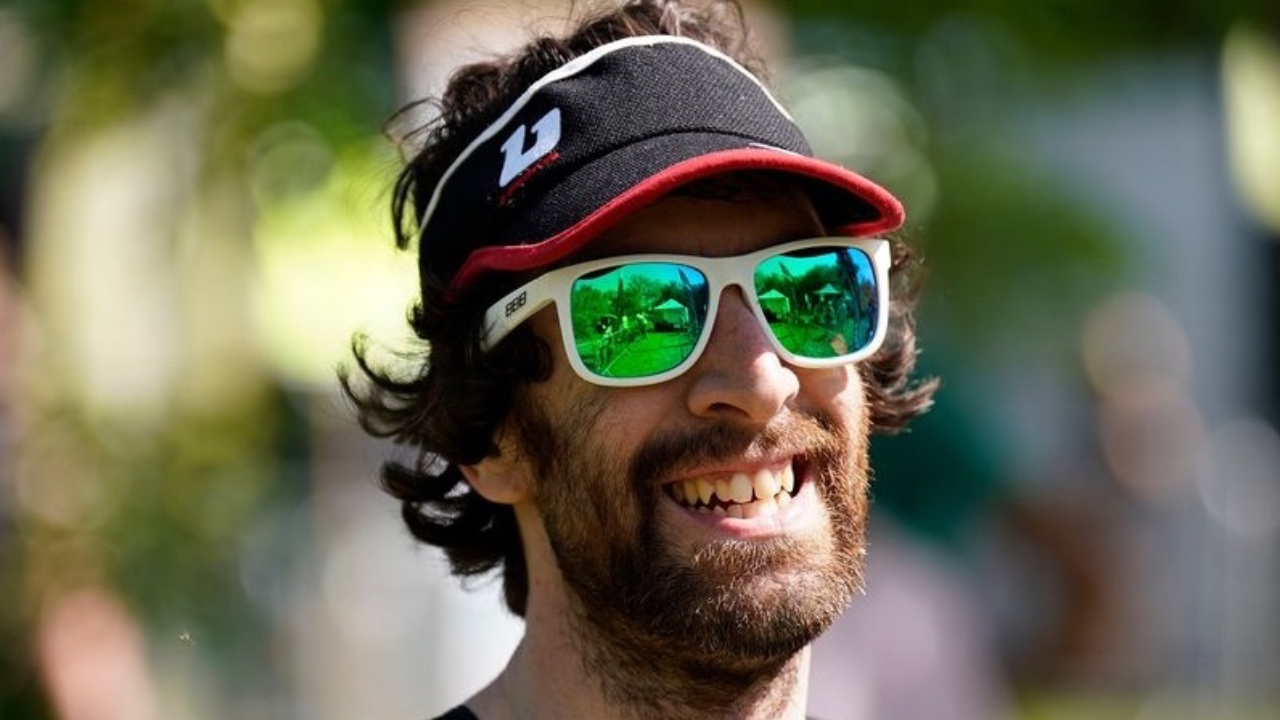
My name is Simon Olney, I've have spent the last ten years helping athletes complete their first IRONMAN. I have been racing myself since 2012 with over 50 triathlon finishes and a handful of wins to my name.
I work with athletes like you. Not professional athletes, but athletes who work full time jobs, have a family and have to pay for their own kit. I worked in the film industry for ten years, so understand the challenges that come with fitting training in around a stressful, demanding job.
My plans are written to be simple to understand yet effective. My job is to get you round your first IRONMAN, not try to bamboozle you with complex language. That's not to say that my plans are basic though. They are carefully curated, tried and tested plans to help athletes achieve their dream of an IRONMAN finish without overwhelming them or making unreasonable demands on their time.
I have taken my professional development very seriously. I am a British Triathlon High Performing Coach, IRONMAN Certified Coach, Strength and Conditioning Coach, Certified Nutrition Coach, Corrective Exercise Specialist, Level 2 Swimming Teacher and Level 4 Personal Trainer.
I am committed to helping everyday athletes like you achieve their dreams at the right price.
How I will help you train for the distance
If you're interested in the details behind how I help prepare you for each discipline, click the arrow below to learn more.
How I will help you prepare to swim 3800M in open water
How I will help you train for the 180KM bike course
How I will help you complete the IRONMAN marathon
Preparing your body for the challenge
By rolling off of the couch and straight into IRONMAN training, we are asking a lot of our body. Muscles which have lain dormant for years are suddenly asked to work overtime. Your tight hips and weak glutes from all those years of sitting down restrict your movement, and your mobility will have taken a hit since your last PE lesson.
The IRONMAN marathon is synonymous with something known as the "IRONMAN shuffle". This is the classic running pattern that athletes unknowingly adopt at the end of this gruelling day. They are almost bent over double, their knees knocking and their head drooping. You can have all of the aerobic fitness in the world, but without the strength to back this up you will risk falling at the final hurdle.
Not only will time spent strength training reduce this, it will also reduce the risk of injury. We only have a year, we're on a tight schedule. We cannot afford to lose six weeks due to an achilles injury or knee pain. By strengthening all the muscles used across the three sports, we reduce the load on our tendons and lower the risk of injury drastically.
As a qualified strength and conditioning coach I want to help you integrate strength training without it having a notable impact on the rest of your training. With the correct exercises, load and recovery, we can get stronger without soreness holding us back in the days that follow.
However, you didn't get into the sport to spend hours grinding away in the gym. This plan has a maximum of two strength sessions a week, which should take you no longer than 45 minutes each. Don't want to join a gym? I have a version of the plan with exercises you can perform at home with a simple selection of weights.
Supporting your training with nutrition
Nutrition is absolutely critical to IRONMAN performance. Get it wrong, and you will measure your mistake in hours. It is probably the number one reason for athletes failing to finish their event.
While the subject of nutrition can be confusing and a bit dry, as a Certified Nutrition Coach I can help explain the concepts you need to know in easy to understand language, with supporting materials you can refer back to in future
Race Day Nutrition
Race day nutrition will make or break your IRONMAN. Don't eat enough and you will hit the wall, weaving around the course as your body shuts down on you. All those months of training will mean nothing and a DNF is almost inevitable.
Eat too much, or eat the wrong foods, and you could end up spending more time in a portaloo than you do running. Your digestive system will aggressively clear the backlog of sugary foods it's unable to digest out of both ends, with explosive, unpleasant results.
To prevent this from happening, you need a plan. I will work with you to create a strategy that will help us find the best foods to fuel our efforts with, and create a strategy for race day itself.
This isn't a conversation that happens a month out from race day, this begins much earlier. We need to start training our stomach and finding what works for us several months out from race day.
We will work together to create a strategy for:
-What foods to fuel your training and race day with
-How many grams of carbohydrate you should be eating per hour
-Fluid and electrolyte consumption targets for the environmental conditions
-How to reduce nausea and diarrhoea
-Budget friendly alternatives to sports nutrition
-How to use aid stations on race day
-What to place in your special needs bags
-How to carry your nutrition on race day
Day to Day Nutrition
What you eat before a session, after a session and for your meals has an enormous impact on your performance.
What you eat before a session will often dictate the success of your workout. If you are under-fuelled you may struggle to hit your targets, or fade towards the end of your session.
If you eat too much, or the wrong foods ahead of a workout, you will feel nauseous, sluggish, and probably have to pull the plug.
After a workout you need to refuel your body. Carbohydrate will help replenish your glycogen stores, making sure you are ready to go for your next session. Protein will help your body recover and adapt to each session. This doesn't simply mean chugging protein shakes, it's about finding the best way to increase protein levels in your day to day diet.
We also have fat intake to consider, as well as micronutrients. These are vitamins and minerals which are required to help keep our body healthy. While many people can play this fast and loose, as a triathlete you will get found out if you neglect these.
I can help you make small, but meaningful changes to your diet to ensure you're optimising triathlon performance while also ensuring you don't miss a beat in your work and personal life.
The focus here is on performance rather than weight loss, and there is no requirement to track your food.
Let's take a look at what's included
52 Week Training Plan
You will gain immediate, full access to your 52 week training plan, ready to download into your TrainingPeaks calendar. Every month I will edit the plan to fit around your ability, job and family life to ensure it is realistic and achievable.
With one workout a day of no more than an hour in length on weekdays and hitting a maximum of 15 hours per week, this plan is written for real people with real lives.
Never used TrainingPeaks before? Don't worry, I also include my TrainingPeaks for Triathletes mini course. It helps you setup your account, sync your devices, set your thresholds and understand the jargon.
Even if everything seems a bit overwhelming, I can talk you through it all during your first coached session.
Thirteen Coached Sessions
As part of the programme you get thirteen online 1to1 coached sessions with me, a British Triathlon High Performing Coach and IRONMAN Certified Coach.
Each session starts with an update from you about how the last block of training has gone, You can share what went well, what didn't go so well, and what your next month looks like.
I then tweak the training plan to suit you. We can extend some sessions, shorten others, add in an extra rest day, or even some additional sessions.
We then go through a short coached session covering the following topics
Session 1: Getting Kitted Out
There's no getting around it, triathlon requires a lot of equipment. There are dozens of pieces of kit we need, from wetsuits and chain lube to power meters and aero bars. This session is about making sure you get the kit you need to follow the programme in the right size, and at the right price point for you.
As someone who has spent several years working in a triathlon shop, I can help you pick out the right kit, and steer you away from the white elephants that brands will try to sell you.
By the end of this session you will have a shopping list of equipment you need to purchase that will be customised for your needs and budget.
Session 2: Stroke Analysis
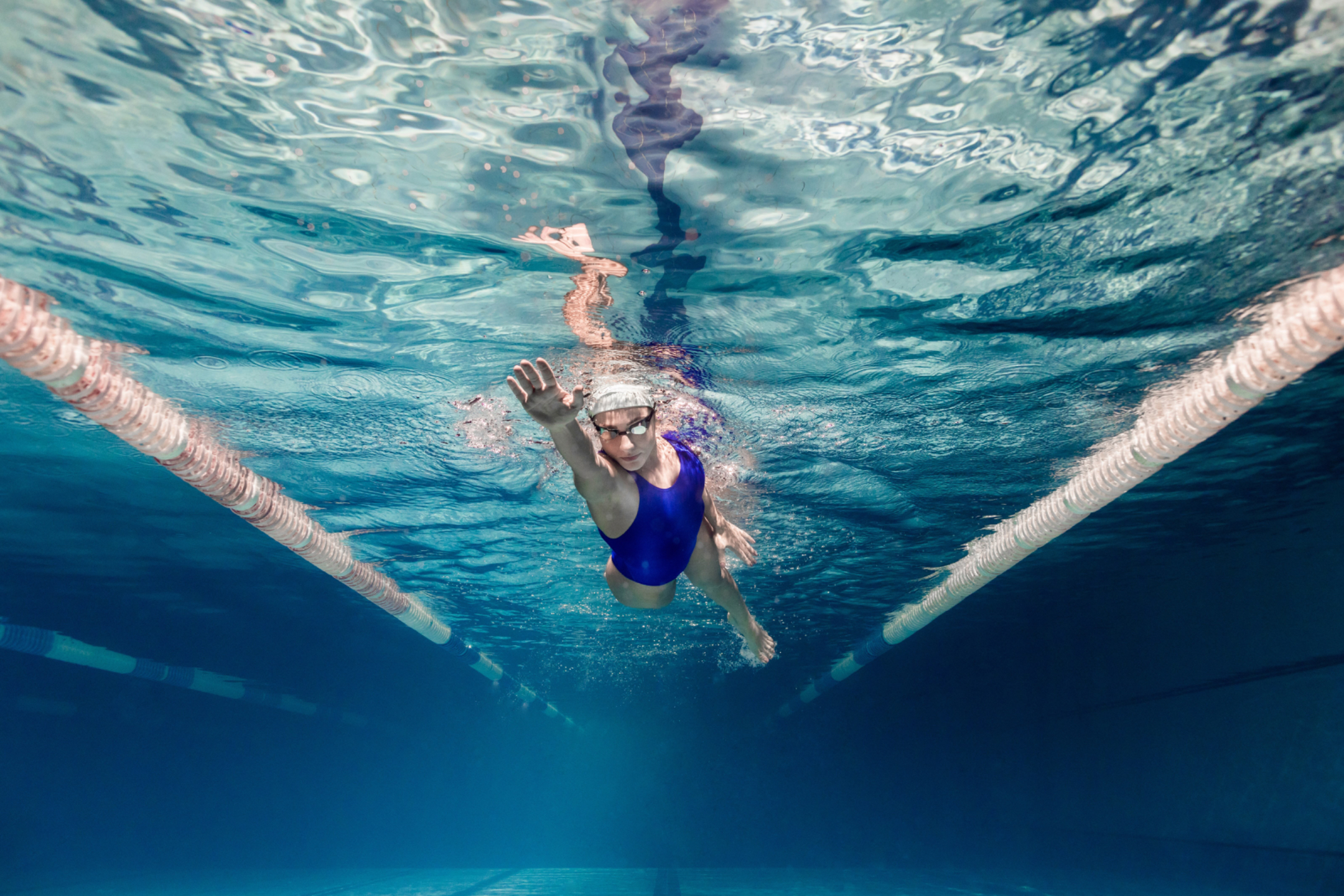
Your homework between the first and second session will be to get a video of your swimming for me to analyse. I can use thousands of hours of experience coaching athletes on poolside to give you feedback on where to improve your technique.
Can't get a video of yourself swimming? I will use some stock videos of myself and others swimming to provide you with pointers on different areas of technique.
By the end of this session you will have a clear idea on what it is you need to do to improve your swim efficiency and prevent months of frustration.
Session 3: Mobility Assessment
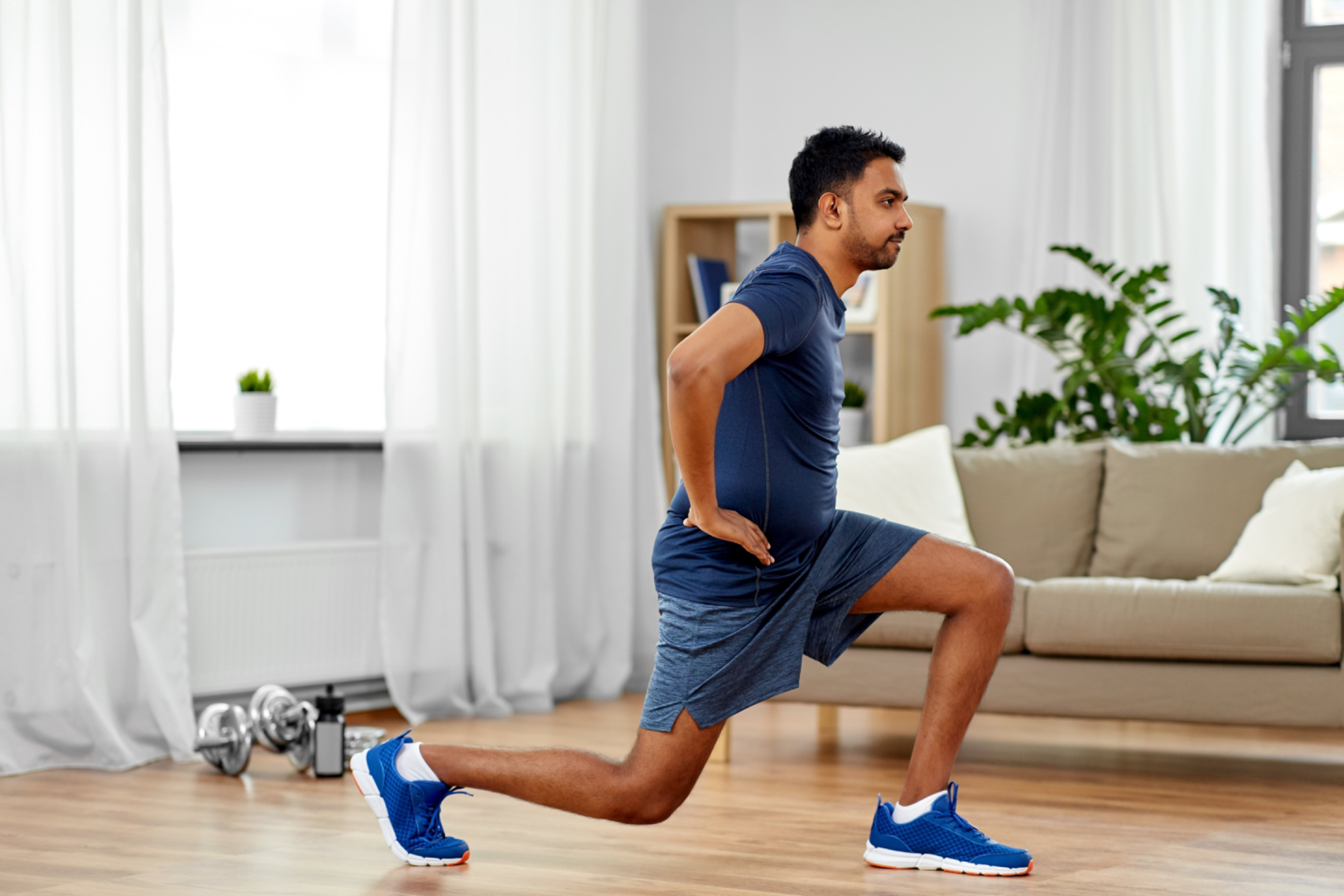
We all move differently. While some of us will be as limber as teenagers, years spent sitting behind a desk will have stiffened many of us up. The result? A short stride length, poor shoulder mobility and an increased risk of injury. As a L4 personal trainer and corrective exercise specialist, I want to help you move better.
If I can extend your stride length, improve stability on the bike and get you breathing bilaterally in the swim, this is the very definition of free speed.
In this session I will ask you to perform a series of mobility tests on camera so I can ascertain your mobility levels and set you appropriate exercises to improve your performance.
By the end of this session you will have a series of exercises and stretches that will improve your athleticism as well as quality of life.
Session 4: Sports Science
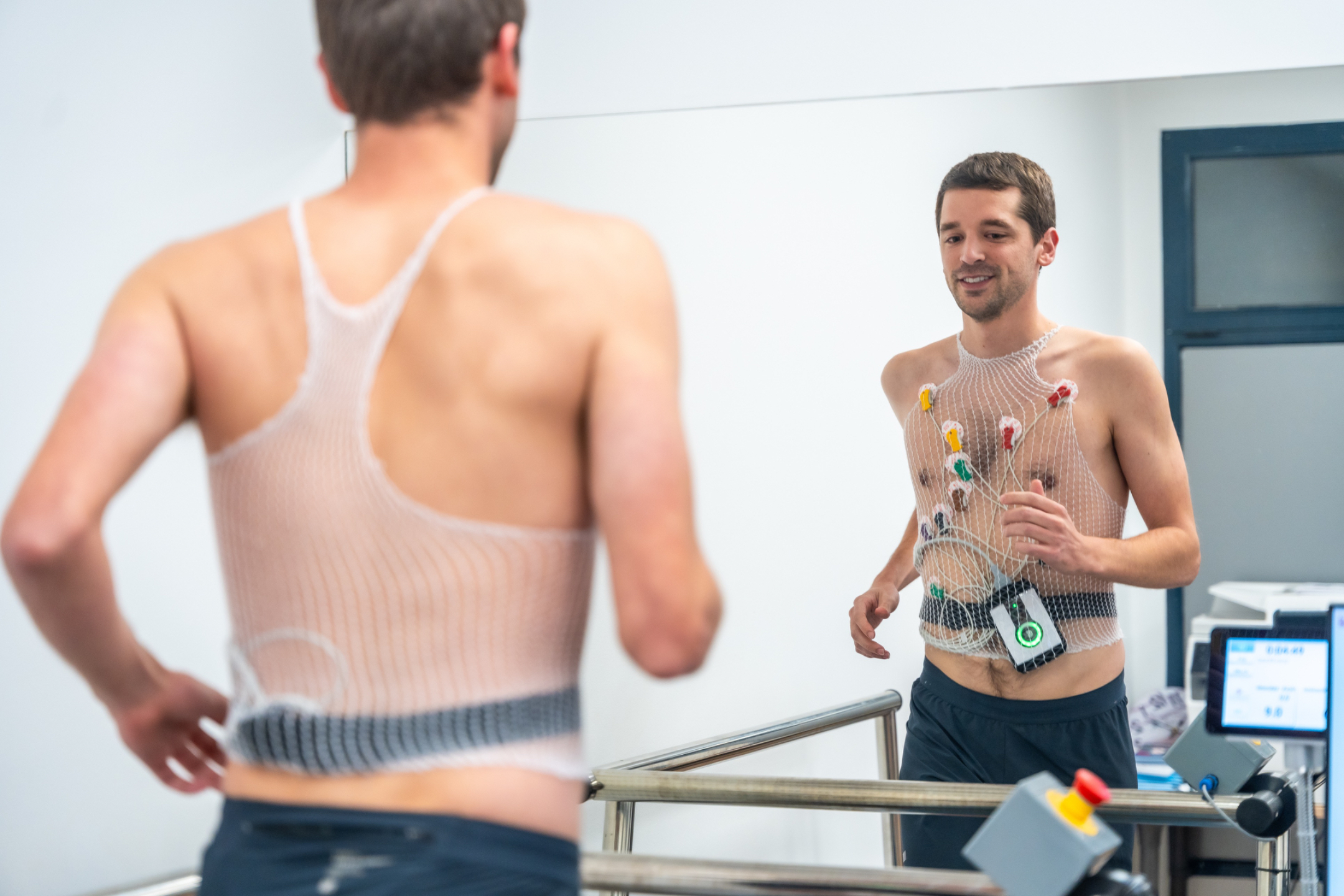
I don't expect you to blindly follow a training plan. I want you to follow the plan while understanding exactly why you're doing the sessions, and how they're making you faster. The better you understand how your body works and adapts to exercise, the greater the buy in to your training.
By the end of this session you will have a much better understanding of different energy systems, your metabolism, performance metrics, how your muscles work and an understanding of how each session makes you faster.
Session 5: Day to Day Nutrition
The saying is that you can't outrun a bad diet. While this is generally a reference to those who are using exercise to lose weight, the same is true of those training for performance. Without the proper balance of carbohydrate, protein and fat, you will be leaving performance on the table.
In addition to this we need to ensure we are getting enough micronutrients to support our body as we place it under the extreme load of IRONMAN training. I can help you hit your vitamin and mineral targets to keep you healthy and reduce interruptions to your training from illness
By the end of this session you will have a much clearer idea of the role that different nutrients play in performance, and be able to make more informed nutritional choices for both yourself and your family.

Session 6: Bike Maintenance
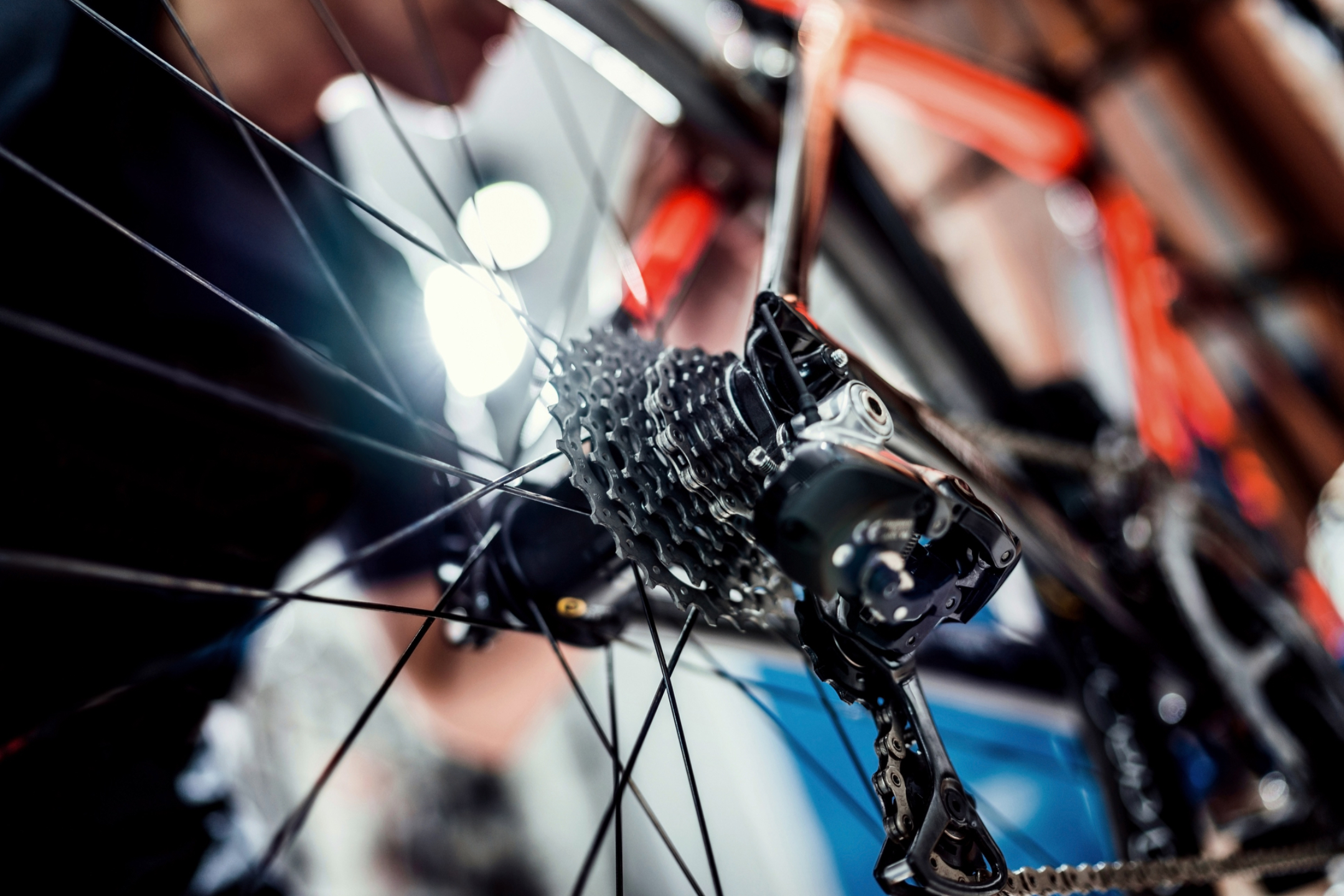
You need to look after your bike if you want it to perform for you on race day. Not only will your bike lose efficiency over time, you also run the risk of needing to make very expensive last minute repairs. If you're really unlucky, your bike could let you down during the race, leaving you sitting at the side of the road on your big day staring at your bike with no idea what to do. We can't afford for this to happen.
This session will help acquaint you with the workings of your bike, and help you understand how to perform basic maintenance tasks yourself. While putting your bike in for a service is great, we should be able to perform basic tasks ourselves to save money, as well as to be more self sufficient.
By the end of this session you will learn how to prevent punctures, prolong the lifespan of expensive components, become more self sufficient and be better placed to protect your investment.
Session 7: Sports Nutrition
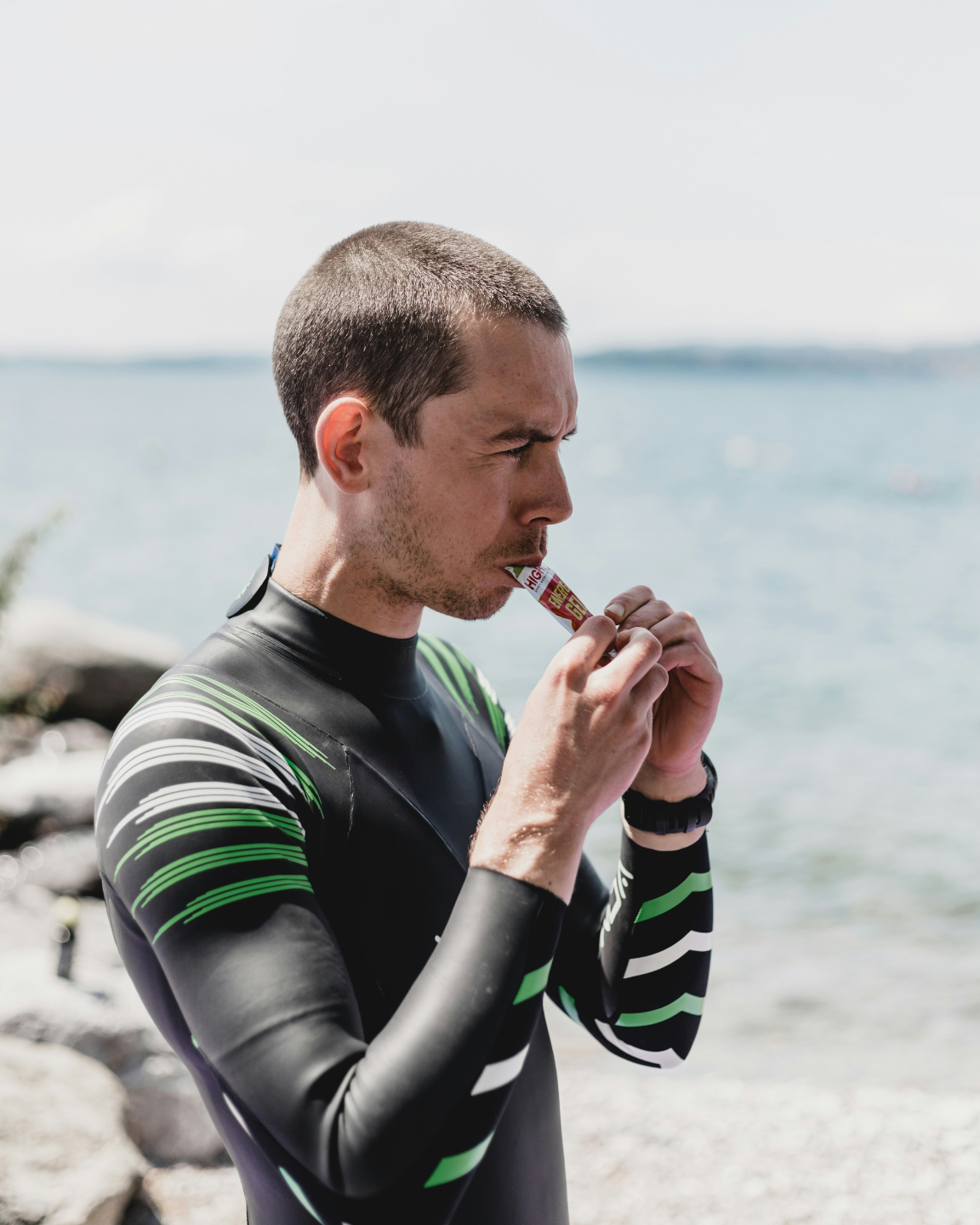
Nutrition will make or break your IRONMAN. You wouldn't try to run a car without any fuel, so you can't expect to complete an IRONMAN without any food. Your event may take up to 17 hours, you need a meticulous strategy to fuel your efforts without causing nausea, diarrhoea or stomach cramps.
By the end of this session you will have a clear plan on what to eat during your training sessions to help you ensure that race day is a test of your legs rather than your stomach.
Session 8: Open Water Swimming
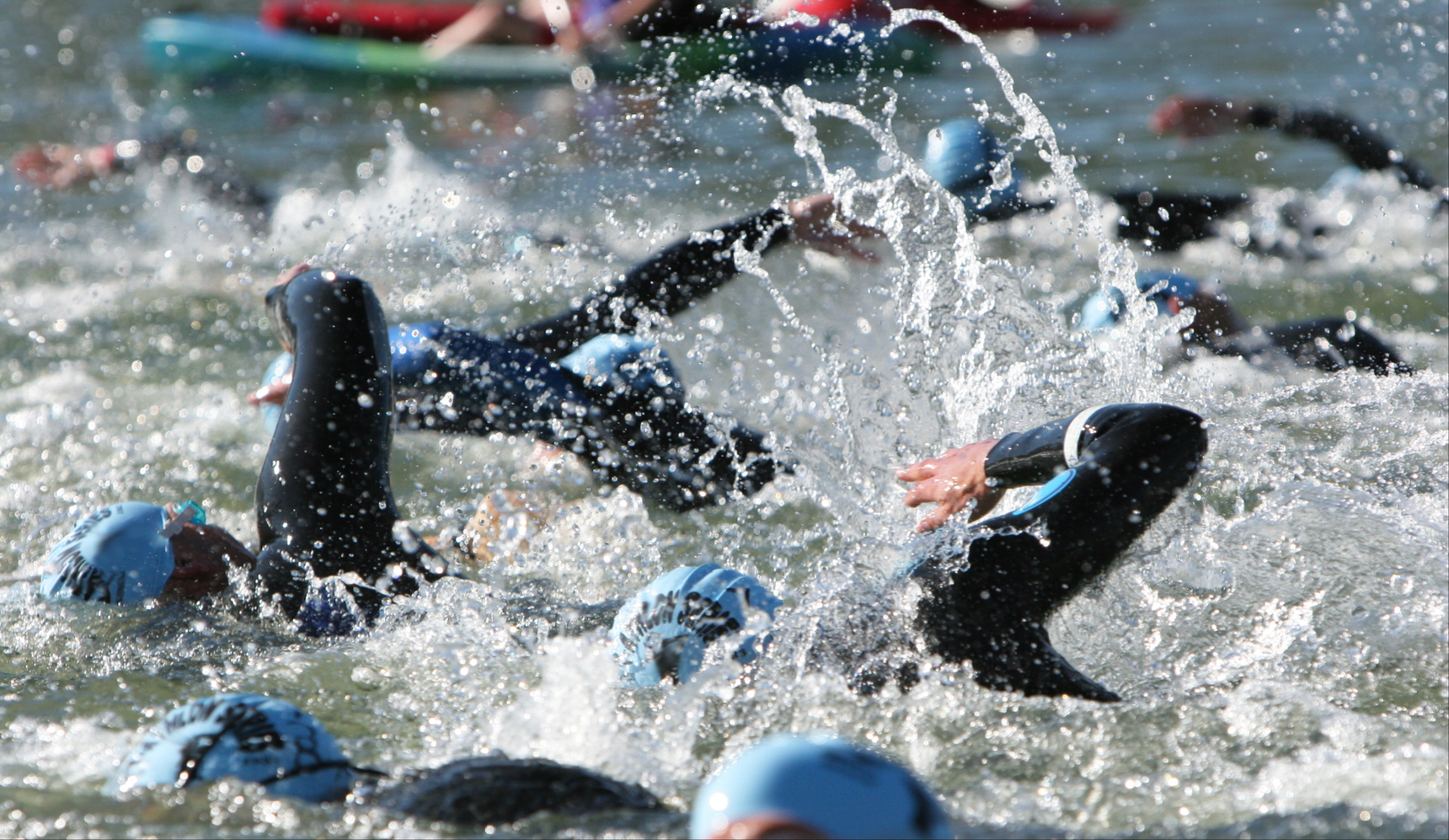
The open water doesn't care how fast you are in a pool. You could have spent half your childhood in the water, but that won't save you from potential panic attacks, prevent you weaving around without a black line to follow or help you swim round a congested turn buoy.
Lakes are cold, dark and eerie. The sea is always changing with waves, swells and wildlife to contend with. It's my job to get you confident for your transition into open water.
By the end of the session you will know how to put on a wetsuit, how to sight, how to draft, how to prepare for the race start and how to prepare for the cold.
Session 9: Sports Psychology
As the training load increases and we get closer to the event, we're going to go through a variety of different emotions. Stress, anxiety, maybe even some real fear of what might happen on the day.
In this session I share with you how these emotions can affect your preparation, as well as how to prevent them from jeopardising your performance.
By the end of this session you will have a better understanding of the emotions you can expect in the final weeks and on race day itself, as well as how to manage them. Please note that I am not a registered sports psychologist, and can only offer general insights. If I believe you require additional support, I will refer you to a qualified practitioner.
Session 10: Bike Setup
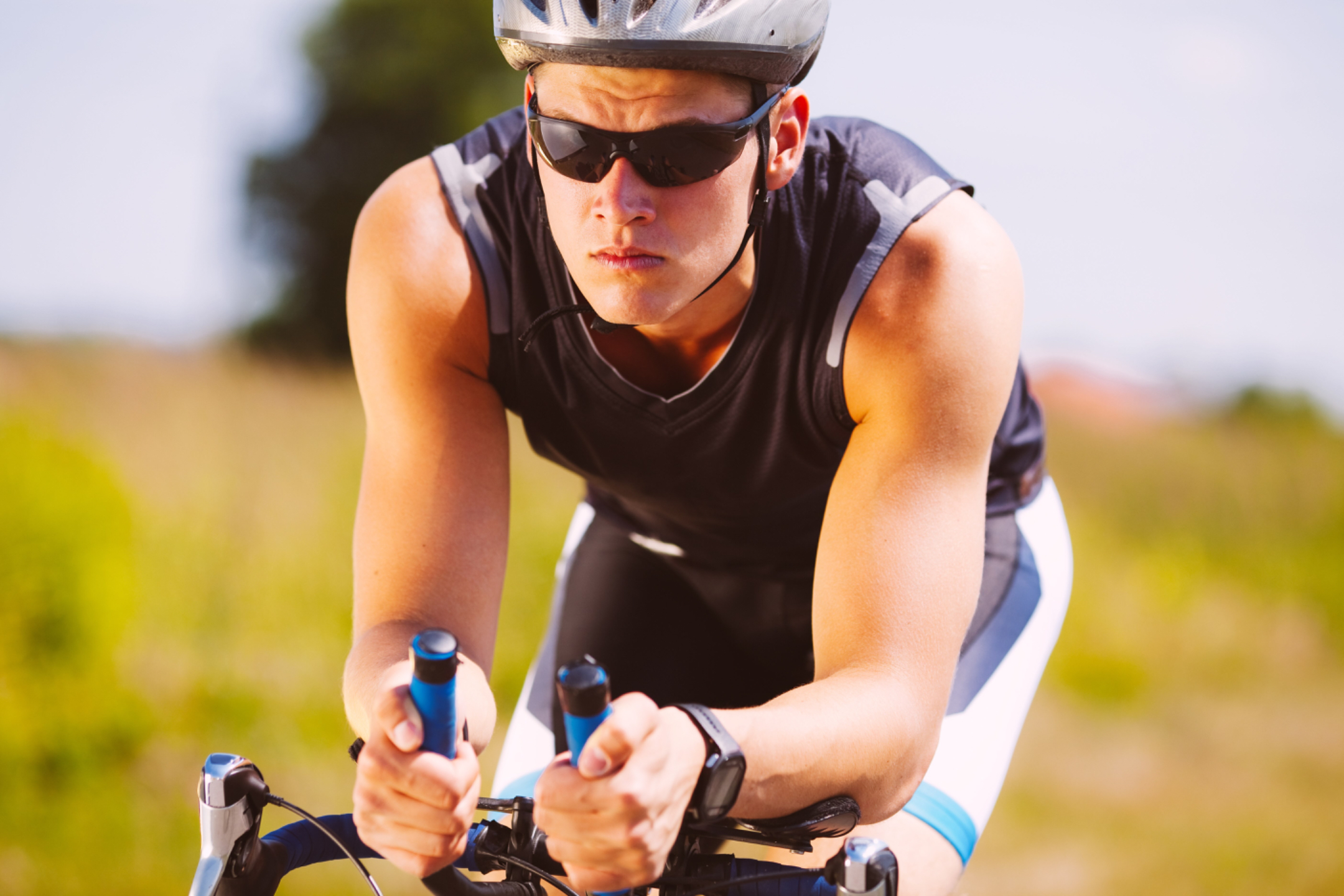
Getting your bike ready for race day is no easy feat. What gear ratios should we be using? Which tyres should we be using? What about the chain lube? Where will we be storing our water and nutrition? This may seem simple, but could be the difference between you making the bike cutoff or not.
By the end of this session you will know which upgrades you need to purchase (if any), where to mount your bottles to be most efficient, and how to reduce the chance of mechanical issues. Please note that I will only be advising on the functionality of the bike, and will not be able to assist with bike fit.
Session 11: Course Analysis
Every IRONMAN course is different. The swim course, the hills on the bike route, the location of the aid stations on the run. We cannot afford to line up with zero idea of what's ahead of us. I sit down with you and the course maps to analyse the race in detail. I will also be able to provide insights from athletes I have previously coached who have completed the course and add my own personal experience as an athlete where possible.
By the end of this session you will have a clear understanding of the layout of the course, the location of the feed stations and the most challenging hills.
Session 12: Race Planning
By this point, we will be getting very close to the start of your event. It's time to get clinical with our race planning. We want to have a very clear idea of everything on race day so there's no surprises, and we won't be making it up as we go along.
By the end of this session you will know what time to get to the race venue, what needs to go in your transition area, where to start, what pace targets to aim for, what to eat and how to manage setbacks on the day.
Session 13: Race Briefing
The final coaching session is normally scheduled for the day before your race. This is your last chance to ask me questions, share updates, make any last minute adjustments to the plan, and seek reassurances.
After this session you will feel fired up and confident in your ability to complete your goal. This is the culmination of a year of hard work and collaboration. You've got this, you will become an IRONMAN.
Triathlon Courses
Is there a sport more complex than triathlon?
Between swimming, cycling, running, strength, nutrition and all of the equipment required to complete an IRONMAN, it's very easy to feel overwhelmed.
When you purchase my programme, you get instant access to all of the following triathlon courses:
Triathlon Swimming Masterclass: RRP £50
Introduction to Strength and Conditioning for Triathlon: RRP £50
IRONMAN Race Day Nutrition: RRP £25
Fat Loss For Triathletes: RRP £30
IRONMAN Race Day Success: RRP £10
Hill Climbing Masterclass: RRP £10
Clipless Confidence: RRP £5
That's £180 in free content to help you build towards your IRONMAN available immediately on my exclusive app so you can learn on the go.
Free TrainingPeaks Premium Subscription
My plans are delivered via TrainingPeaks as it is the best software on the market.
However, the best features are behind a paywall. The ability to see in depth data and move workouts around on your calendar are, unfortunately, premium features.
So I cover the cost for you.
TrainingPeaks Premium costs USD $19.95 per month. As a coach I can get this for a lower price, and cover the price of your premium subscription for the duration of the programme.
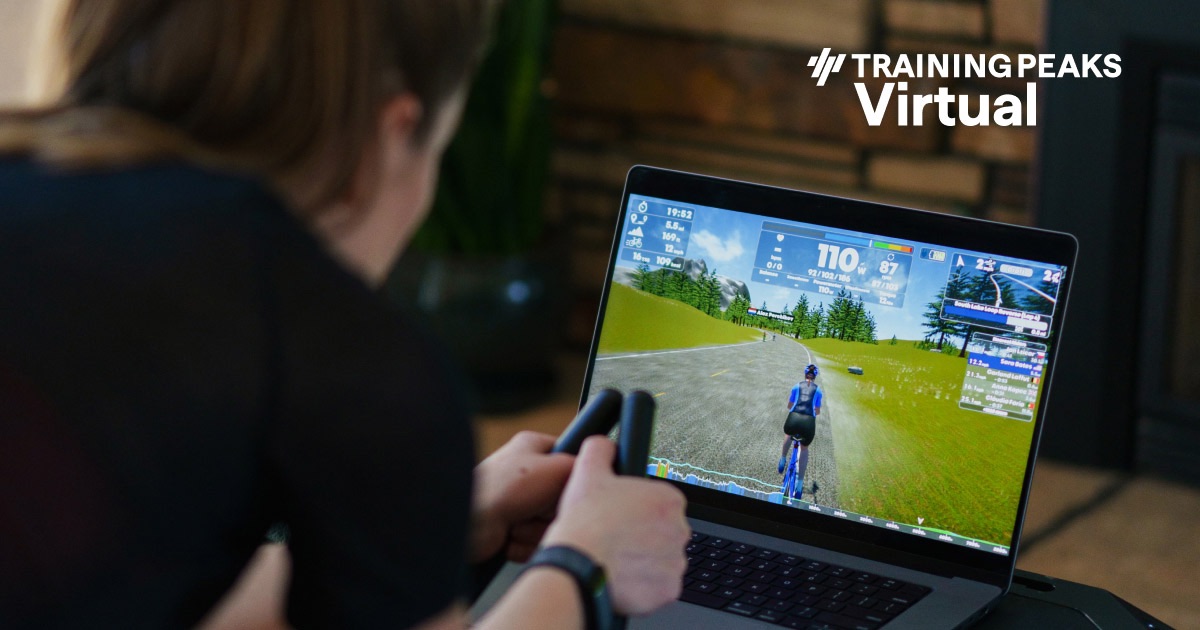
Not only do you gain full control over your calendar and data, you also get access to TrainingPeaks virtual. This software talks to your indoor trainer to provide engaging visuals, simulate riding on varied terrain, participate in races, group rides, time trials and more.
Please note that you will receive an email after purchasing with instructions on how to redeem your subscription.
The value of working with a human coach
In the age of AI, some will gravitate towards asking a chatbot for advice. Here's what I can offer that AI can't.
Telling you what you need to hear, not what you want to hear
AI psychosis is a very real issue. Most chatbots are sycophantic and will tell you what to hear, so you use them more.
As a coach I am 100% in your corner, but I'm also here to give you some hard truths when you need to hear them.
I'm definitely not an old school coach who will berate you for missing a single session, but I will make sure you stay on track to complete your goal.
Real, lived experience as an athlete and coach
Unlike AI, I've trained for and completed IRONMAN events. I've thrashed up and down the local leisure centre pool gasping for breath. I know how it feels 30KM into the IRONMAN marathon, and I understand just how isolating it can be on the bike course.
I've also coached hundreds of athletes to their first IRONMAN finish. I have the gut instinct and experience to help steer you in the right direction when things don't go to plan or you need extra support
A calm, human voice to lift you up
IRONMAN is probably the toughest sport on the planet. Not many people will argue with that. That initial motivation you felt when you signed up will start to fade when the alarm goes off at 5AM for the third time in a week.
There will also be time lost to illness, you'll experience self doubt, have days where every thing feels hard, and think about quitting at least once.
At times like these, there's no replacement for a human calmly lifting you up and helping you get your training back on track.
Let's talk pricing
I didn't start coaching purely to make as much money as possible. If I did, I would be cold messaging executives on LinkedIn all day rather than building programmes like this.
I want to offer good quality coaching at a fair price.
The value of the training plan, courses and TrainingPeaks Premium subscription comes to over £500 on their own.
The thirteen coached sessions are with myself are valued at £975.
The cost of this programme is £990 (or regional equivalent). That's nearly 50% off, and only £19 a week to be guided to your first IRONMAN finish by a qualified coach.
In some cases, that could be less than you paid for your event entry. And a fraction of what you'll be spending on your bike, wetsuit, running shoes, pool fees, bike service, travel, accommodation and merchandise.
It's not just about finances though. It's about the time you will save. No more hours spent trawling through YouTube, double guessing your training or doing unnecessary sessions. My programme helps you protect your time, so you can prioritise your family and social life.
While it would be incredibly foolish of me to make any guarantees about results, your chances of finishing with a time you're proud of will skyrocket when you choose to work with me.
Don't just take my word for it
Check out some testimonials from previous athletes
Josh C
"I ended up completing the ironman in just over 10 hours with Simon's logistical & nutritional advice as important as the fitness gain. Along the way, I was able to maintain my run fitness, even setting some PBs along the way despite much lower training volumes. I highly recommend Simon if you're thinking about getting a coach"
Chris S
"Choosing to work with Simon was by far the best decision that I have ever made regarding triathlons. I am absolutely sure that I couldn't have completed the Vichy Ironman without Simon's help.
I enjoy training more than I ever did before, I train in a different way, I haven't had any injuries, and my performance is way better. Whatever your level, everyone needs Simon!"
Sam C
"I worked with Simon for around a year,
Having never done a triathlon and not being a confident swimmer, Simons coaching enabled me to complete a: sprint, middle distance, and most importantly Ironman Tenby all in the space of a year.
Without his insight and support I doubt I would have managed the times I achieved."
Let's get you set up
The clock is ticking and race day waits for no-one. Let's get this show on the road. If you have questions or would like to speak to me first, you can do so below.